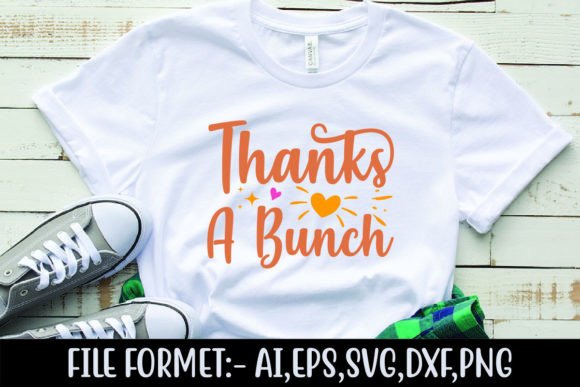
Reviewing Thanks a Bunch for Real Embroidery Projects
As a designer who has spent years digitizing and stitching thousands of patterns, I approach every new machine embroidery design with a mix of curiosity and caution. We have all been there: you download a cute graphic, load it onto your machine, and halfway through the stitch-out, you realize the density is too high for the fabric or the details are too fine to hold up. That is why I took a close look at Thanks a Bunch. This is not just about whether it looks good on a screen; it is about how it performs when the needle hits the fabric.
The first impression of Thanks a Bunch is one of warmth and approachability. The phrase itself is versatile, fitting seamlessly into spring themes, teacher appreciation gifts, or general gratitude projects. Visually, the layout suggests a balance between playful typography and organic elements, likely floral or botanical given the "bunch" reference. For an embroidery project, this combination is critical. Text needs to be legible, while decorative elements must complement rather than overwhelm the lettering. In my experience, designs that nail this balance become staples in a craft business because they appeal to a wide demographic without feeling generic.
Real-World Application: The Tote Bag Test
To truly evaluate Thanks a Bunch, I imagined a specific real-life scenario: creating a custom tote bag for a local farmer’s market vendor. Tote bags are notoriously tricky for embroidery because canvas is thick, often uneven, and prone to shifting. If a design has poor stitch density management, it can pucker the fabric or leave gaps where the background shows through.
With Thanks a Bunch, the key consideration is how the design handles these textured surfaces. A well-digitized file will use appropriate underlay stitches to stabilize the topography of the canvas. When reviewing the mockups provided—specifically the high-quality JPGs with transparent backgrounds—I looked for signs of clean edges. The promise of 100 editable files and color changeability is a significant advantage here. It means I can adjust the thread colors to match the vendor’s brand palette perfectly, ensuring the finished product looks professional and cohesive. For an Etsy seller or small shop owner, this level of customization is what turns a simple item into a branded merchandise piece.
Versatility Across Apparel and Home Decor
Beyond tote bags, this design shines in the realm of custom apparel. Imagine it stitched onto a soft cotton sweatshirt. Here, the concern shifts from fabric stability to comfort. Heavy fill stitches can make a garment stiff and uncomfortable to wear. If Thanks a Bunch utilizes a mix of satin stitch for borders and lighter fill or running stitches for internal details, it will lay flat and feel soft against the skin. This is crucial for baby embroidery items or children’s clothing, where tactile sensitivity is high.
The design also translates well to home decor, such as pillow covers or kitchen tea towels. For a tea towel, which undergoes frequent washing, durability is paramount. The inclusion of vector formats like AI, EPS, and SVG alongside the embroidery files allows designers to create matching printed elements or promotional materials. This multi-format availability supports a holistic branding strategy. You can use the PNG files for social media previews and the embroidery file for the actual handmade product, ensuring visual consistency across all touchpoints.
Navigating Technical Challenges
While Thanks a Bunch appears versatile, there are areas where caution is necessary. Any design with intricate details or small lettering requires careful attention to hoop size and stabilizer choice. If you are planning to stitch this on a curved surface, like a cap, you must ensure the design fits within the usable area of your cap frame without distortion. Curved fabrics stretch differently than flat ones, and a design that looks perfect on a flat mockup might pull or gap on a hat.
Additionally, consider the fabric type. On thin or stretchy fabrics, such as jersey knits used in t-shirts, a heavy design can cause tunneling or warping. It is essential to use the right stabilizer—perhaps a cut-away for knits to provide ongoing support. Before committing to a final piece, always test the design on scrap fabric identical to your final material. This step allows you to check thread tension and color contrast. For instance, if you are stitching on dark fabric, ensure the design does not rely on subtle shading that might get lost; instead, opt for bold, contrasting thread colors.
Commercial Value and Brand Consistency
For commercial embroidery professionals, the value of a design lies in its reliability and ease of use. The fact that Thanks a Bunch comes with instructions and high-resolution mockups reduces the time spent on pre-production visualization. Being able to show a client a realistic preview before stitching saves time and builds trust. It demonstrates professionalism and attention to detail.
Moreover, the ability to edit colors and scale the design (within the limits of stitch integrity) allows for greater creative freedom. You can adapt the design for different seasons—pastels for spring, warm tones for autumn—keeping your small shop product lineup fresh without needing to source entirely new assets. This flexibility is invaluable for maintaining buyer engagement and encouraging repeat customers.
Practical Designer Notes
Before you dive into production with Thanks a Bunch, keep these practical tips in mind:
- Test on Scraps: Always run a test stitch on the actual fabric you plan to use. Check for puckering, thread breaks, or registration issues.
- Check Contrast: View the design in black and white to ensure the details remain visible regardless of color choices. This is especially important for personalized gift items where customers may request non-standard colors.
- Verify Licensing: While the product description mentions commercial usability, always double-check the specific license terms included in the download. Ensure you are compliant when selling finished items or digital products.
- Optimize Stabilization: Match your stabilizer to your fabric. Use tear-away for stable wovens and cut-away for stretchy knits to prevent distortion over time.
- Inspect Small Details: Zoom in on the digital file to check for tiny, isolated stitches that might not sew out cleanly. If found, consider simplifying those areas in your editing software if you have the skills, or choose a larger hoop size to allow for better resolution.
In conclusion, Thanks a Bunch offers a promising blend of aesthetic appeal and practical utility. Its strength lies in its adaptability across various T-Shirt Designs and home decor applications, supported by a robust set of file formats. By approaching it with a designer’s eye for detail and a maker’s respect for materials, you can leverage this asset to create high-quality, profitable, and cherished embroidered goods. Whether you are a hobbyist looking to elevate your gifting game or a seasoned Etsy seller expanding your catalog, this design warrants a spot in your library, provided you take the time to test and tweak it for your specific needs.